Rhythmic Preparations and Descents
Definition: Temporal gestures in which a rhythmic preparation precedes an accent and a rhythmic descent follows it, analogous to melodic upbeats and terminations.
Messiaen's Treatment: Messiaen establishes an explicit parametric analogy between melodic and rhythmic domains. Just as melodies employ upbeats (anacrusis, preparation) leading to strong notes and terminations (descents) following them, rhythms can employ temporal preparations before accented moments and temporal descents after them. Added values modify the character of these preparations and descents:
- Elongated preparations: Adding values to preparatory figures stretches the approach to the accent, increasing tension or anticipation (Examples 12, 14, 17)
- Slackened descents: Adding values to descending figures extends their penultimate notes, retarding resolution and prolonging the descent (Examples 12, 13, 15, 16, 17)
- Retarded final descents: Adding values to final descending gestures can cause them to lose momentum, creating endings that dissipate rather than conclude forcefully (Examples 18–19)
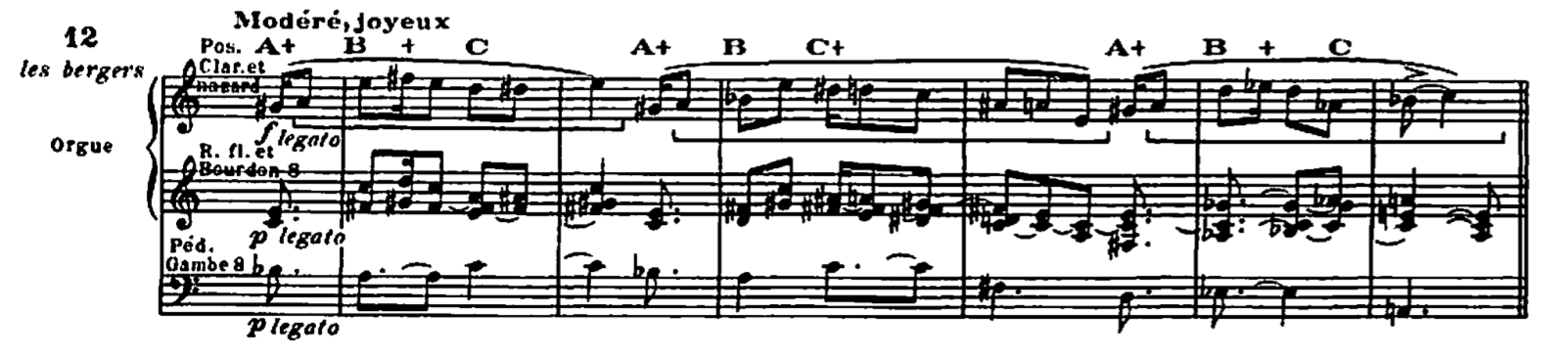
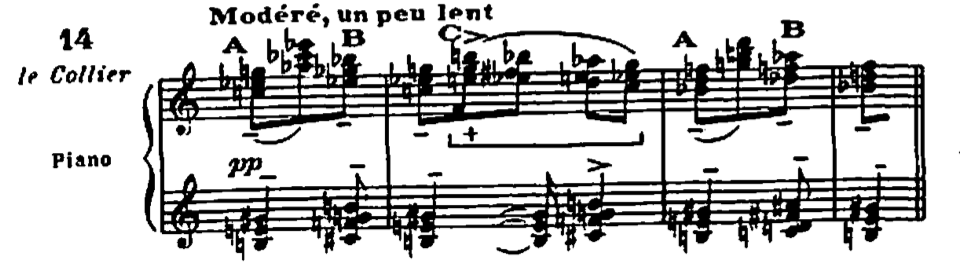

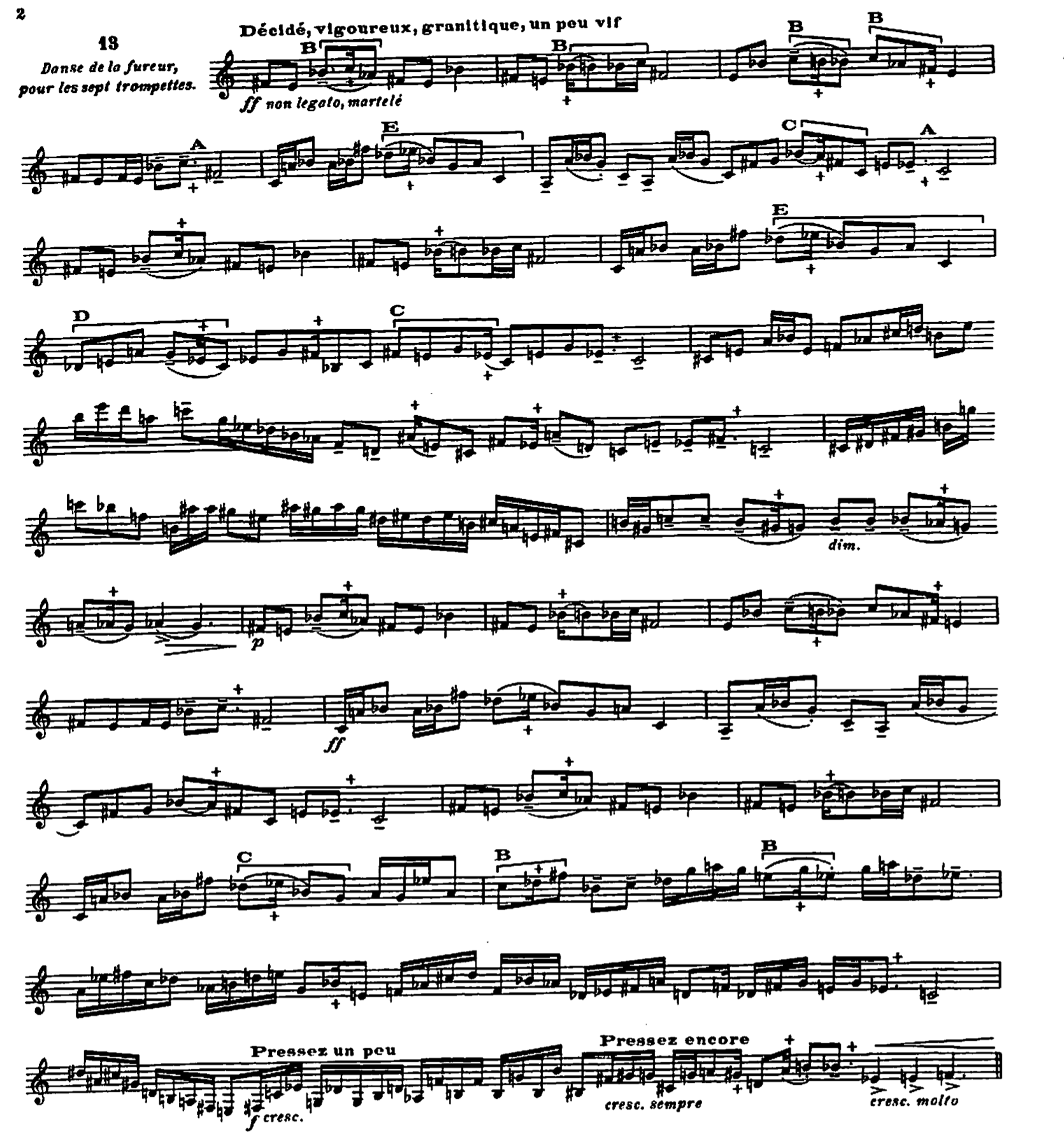
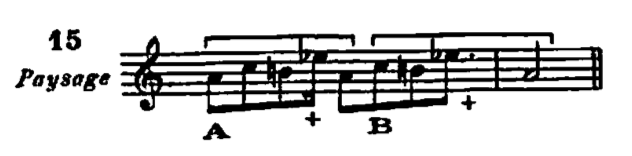


Messiaen demonstrates that added values transform not merely the durational profile of these gestures but their rhetorical character—affecting force, grandeur, serenity, and overall phrase shape. A descent that would normally conclude decisively can, through tripling of its penultimate value (Example 18), lose force and finish with diminished energy.
Modern Context: This concept represents rhythmic application of concepts traditionally associated with melody and harmony. Contemporary theory recognizes this as cross-parametric mapping—transferring structural functions from one musical dimension to another.
The preparation-accent-descent model derives from traditional phrase theory (antecedent-consequent, tension-resolution) but Messiaen applies it specifically to temporal organization rather than tonal relationships. This anticipates later work on musical gesture and phrase rhythm (Berry, Rothstein, Hasty) that analyzes temporal shape independent of harmonic function.
The analogy also connects to Messiaen's broader systematic thinking: operations applicable in one domain find parallel application in others. This same analogical method governs his treatment of added rhythmic values and added harmonic notes (Chapter XIII), polyrhythm and polymodality (Chapters VI and XIX), and ultimately links all parameters of his musical language.
Examples: Examples 12–19 demonstrate various applications to preparations and descents, with Examples 18–19 showing extreme retardation of final descents.