Chapter XII: Fugue, Sonata, Plainchant Forms
Original: Pages 40–46 in Satterfield translation
Musical Examples:
- Example 151
- Example 152
- Example 153
- Example 154
- Example 155
- Example 156
- Example 157
- Example 158
- Example 159
- Example 160
- Example 161
- Example 162
- Example 163
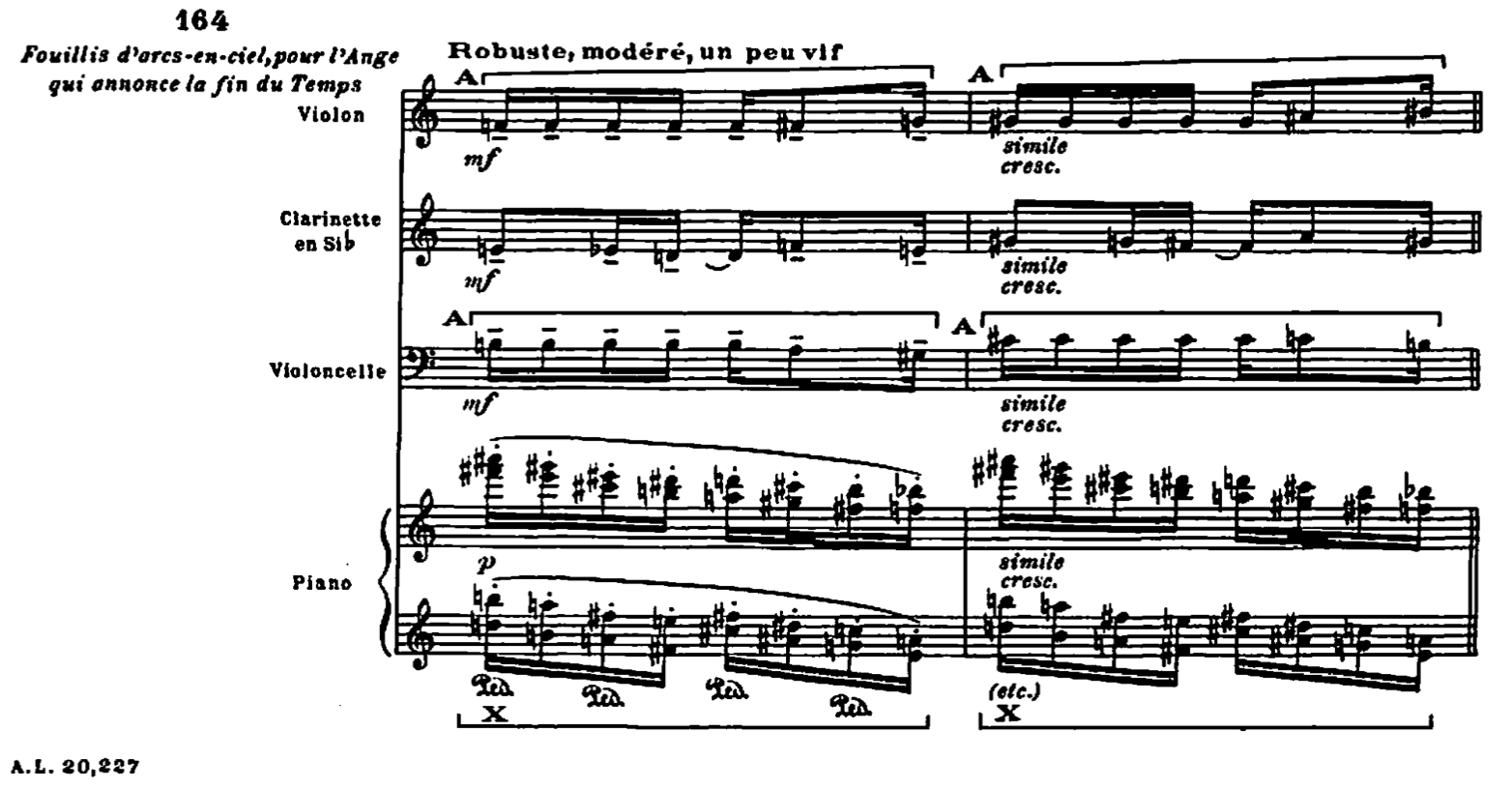
- Example 164
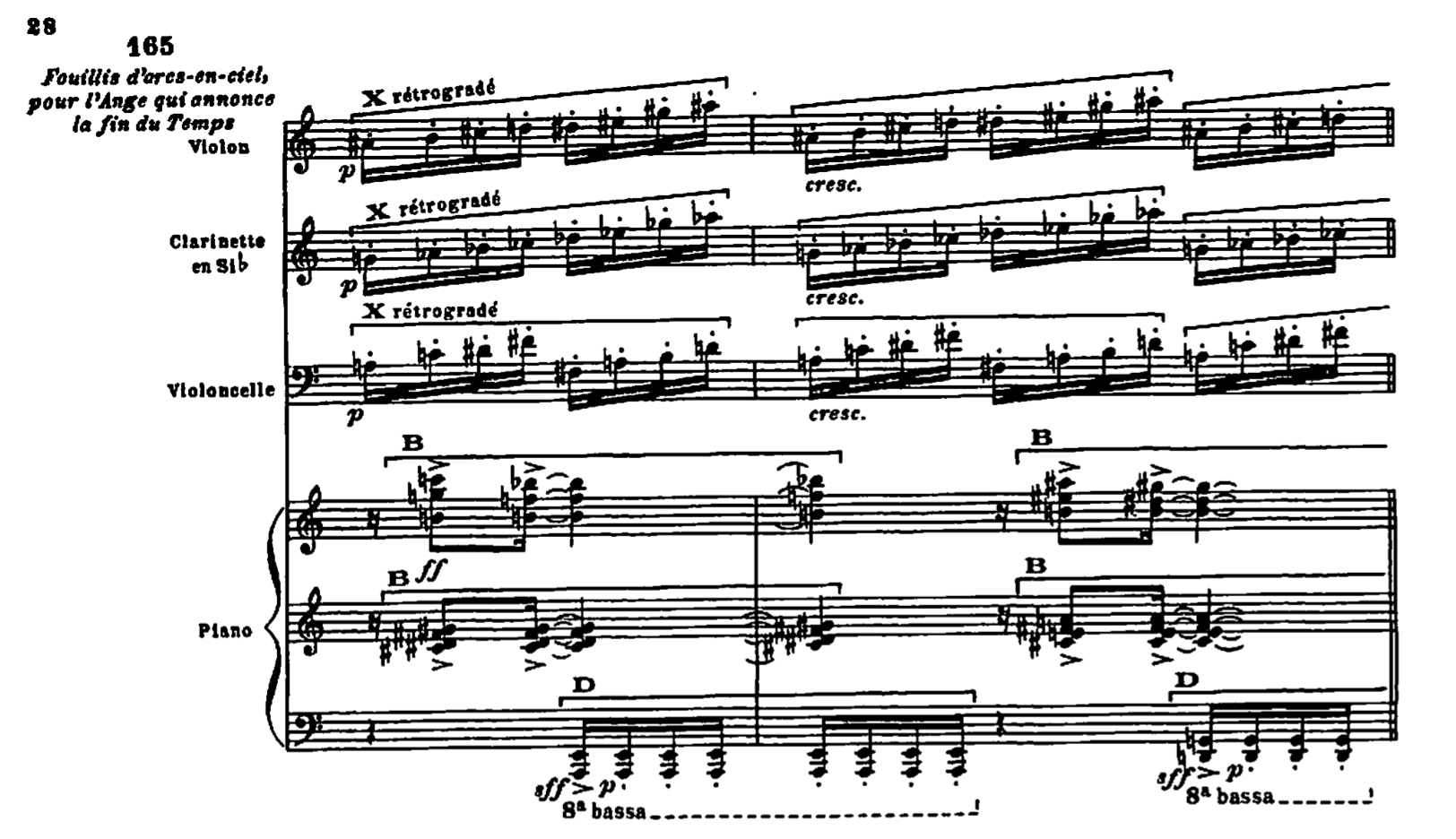
- Example 165
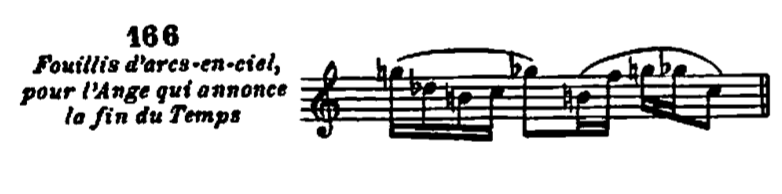
- Example 166
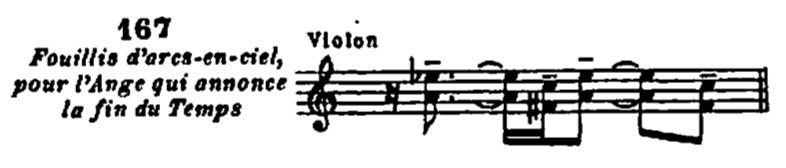
- Example 167
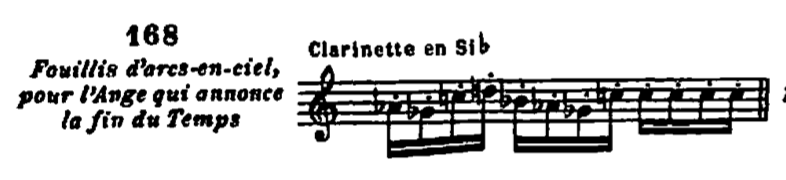
- Example 168
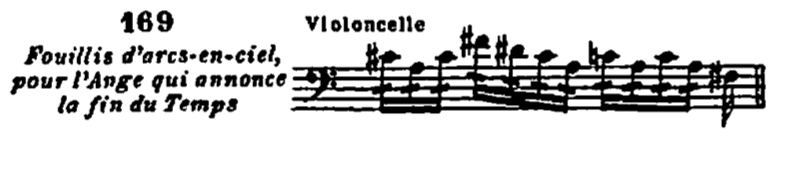
- Example 169
- Example 170
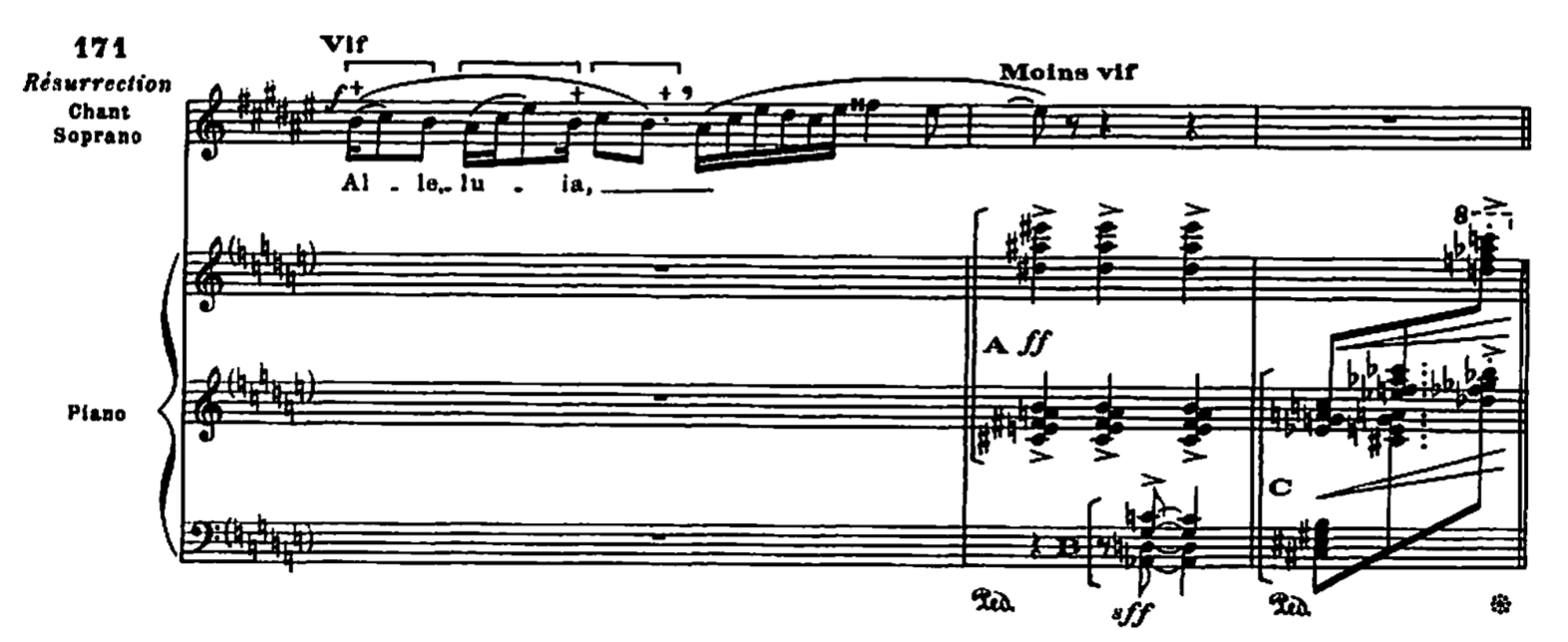
- Example 171
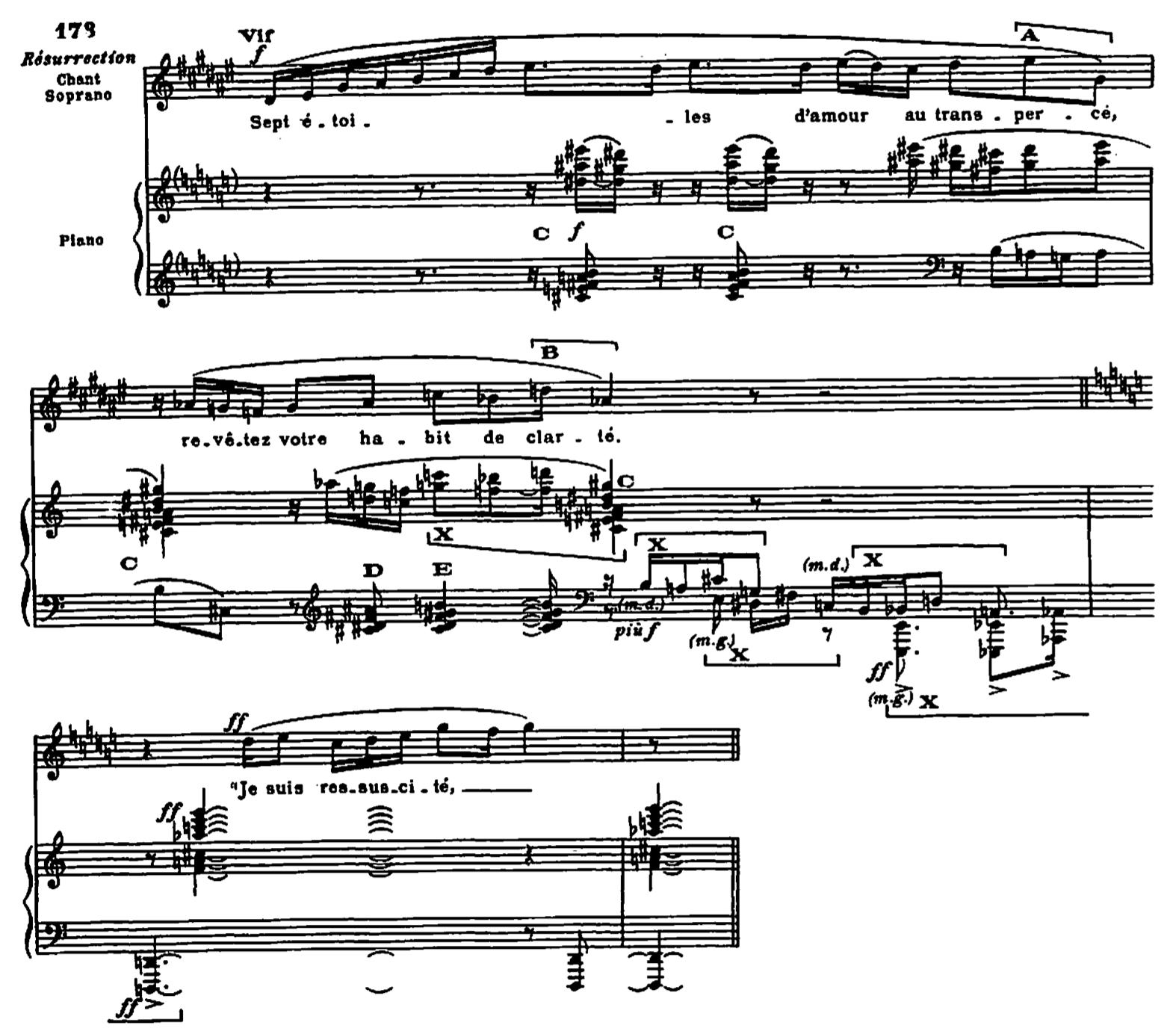
- Example 172
- Example 173
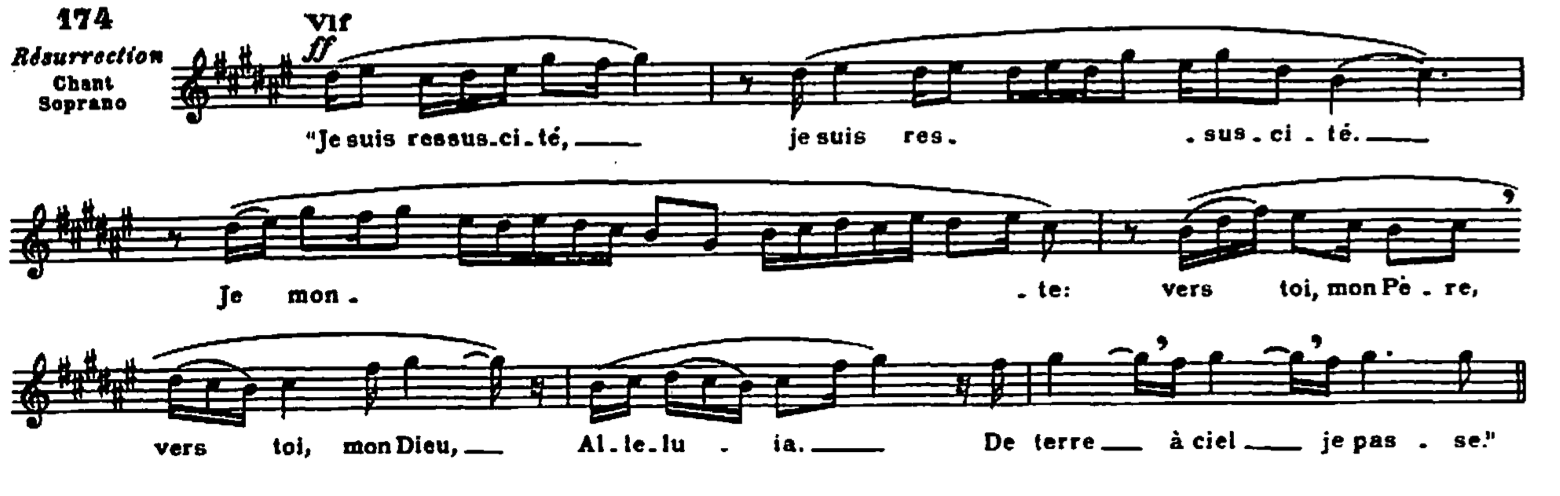
- Example 174
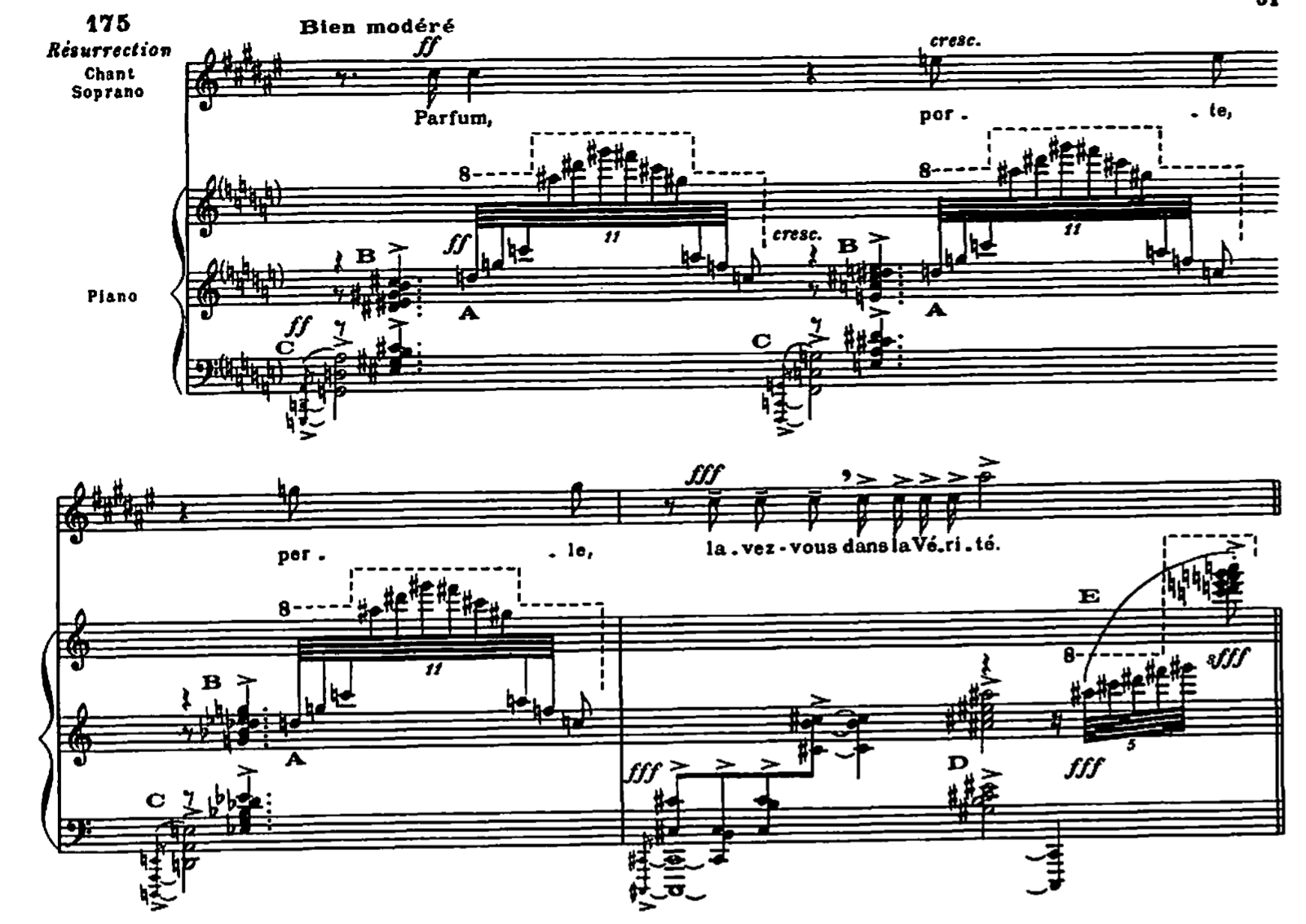
- Example 175
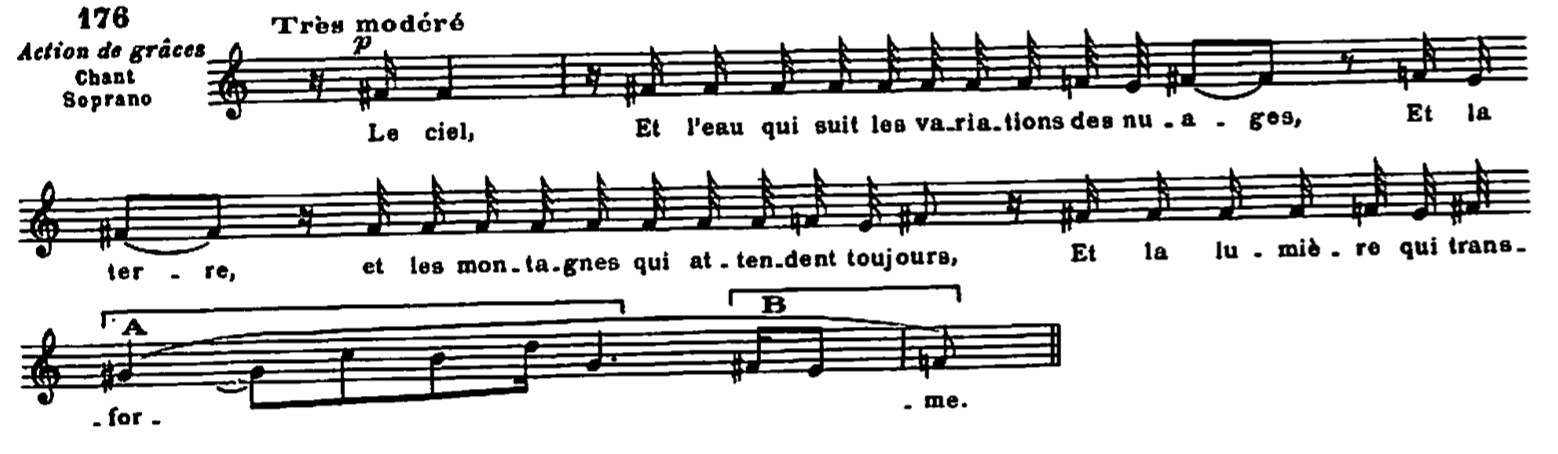
- Example 176
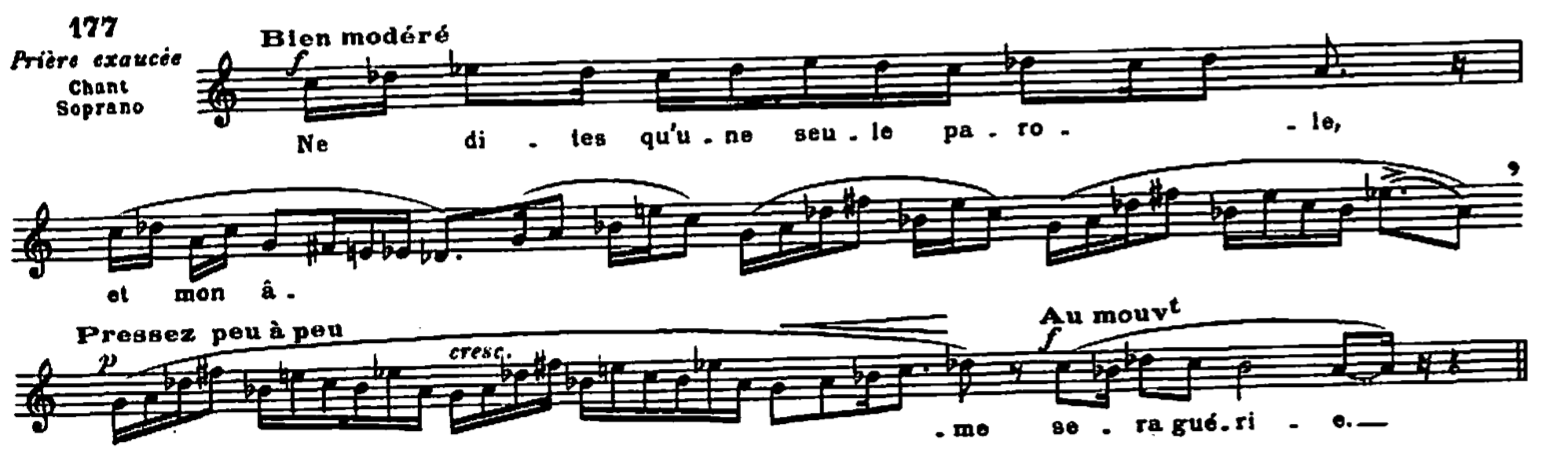
- Example 177
- Example 178
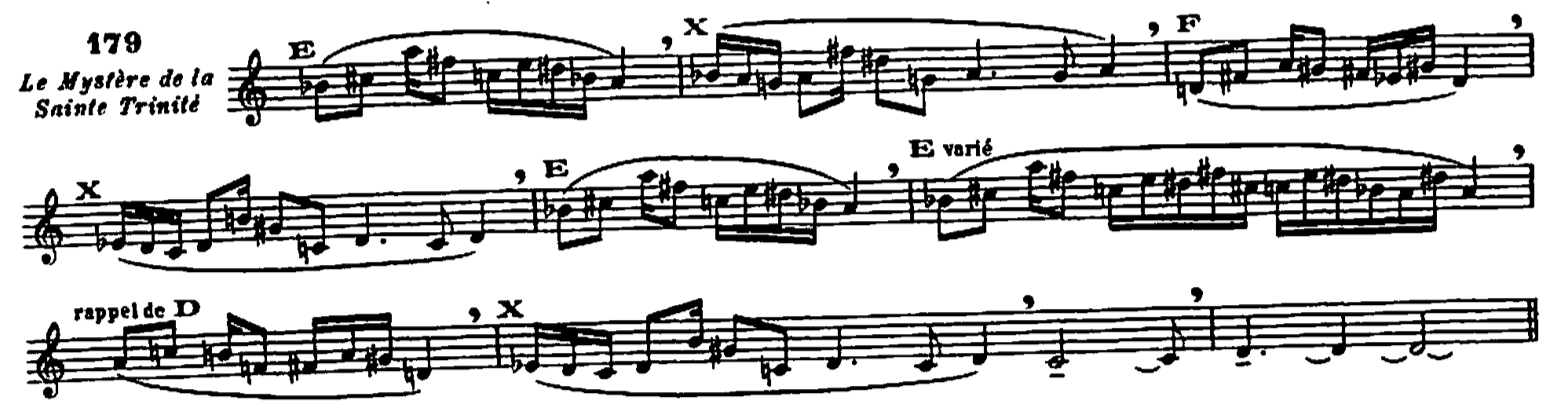
- Example 179
- Example 180
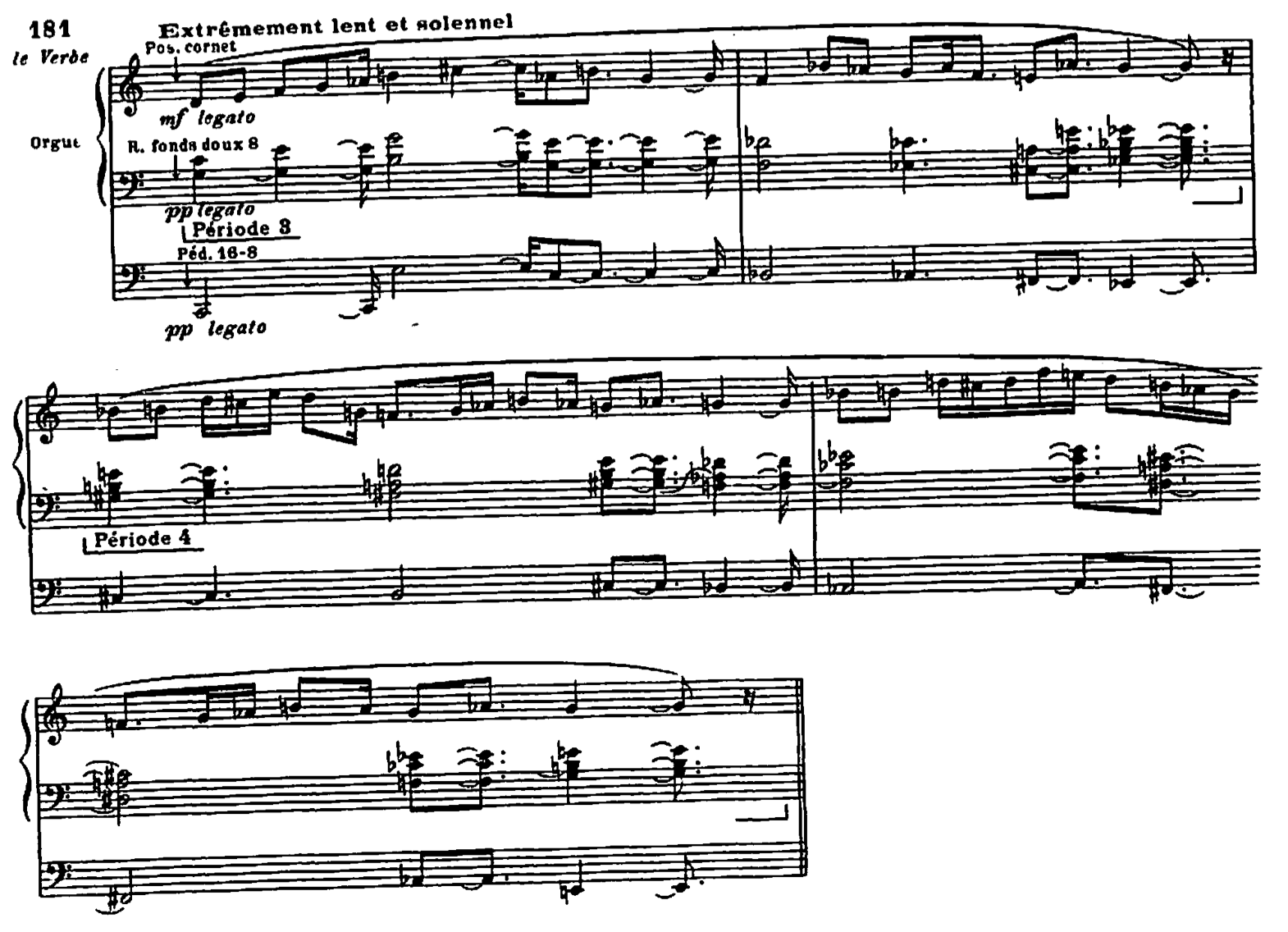
- Example 181
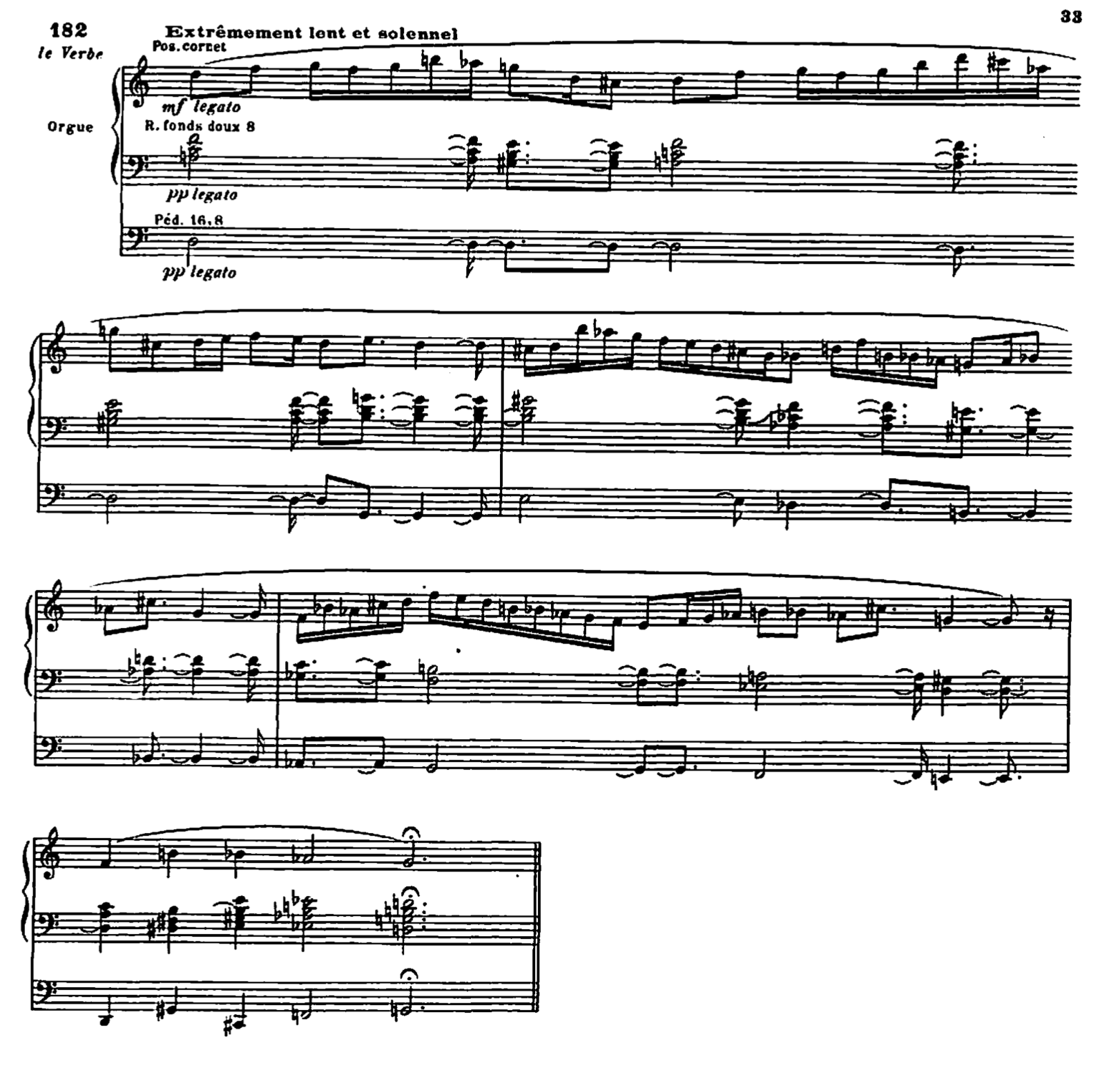
- Example 182
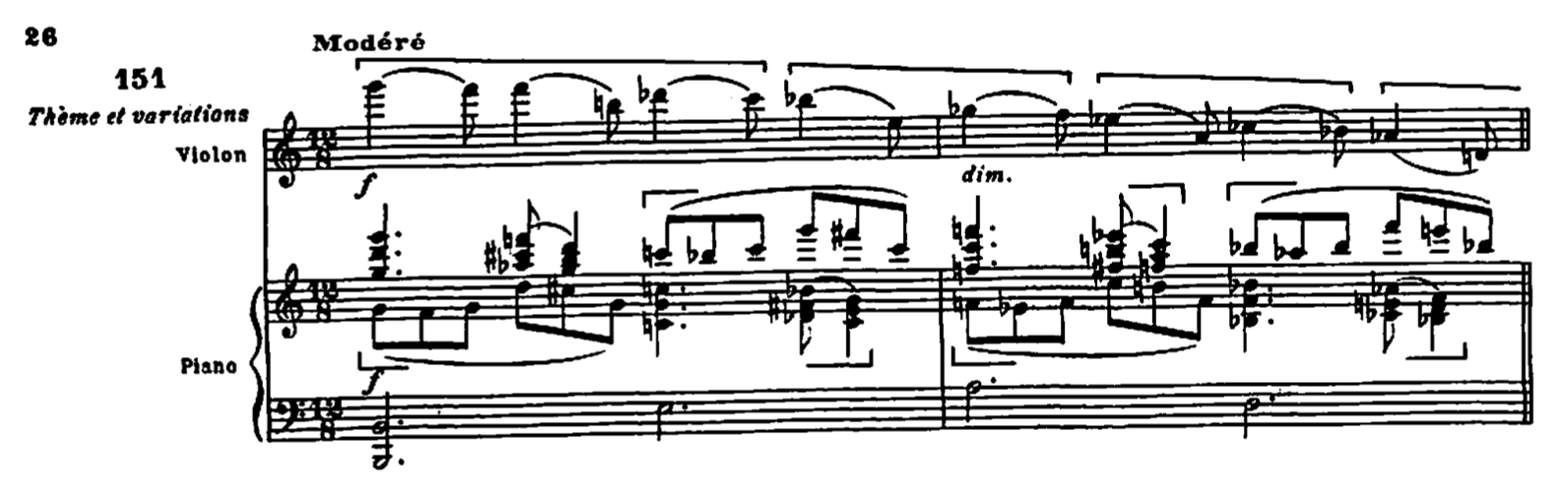
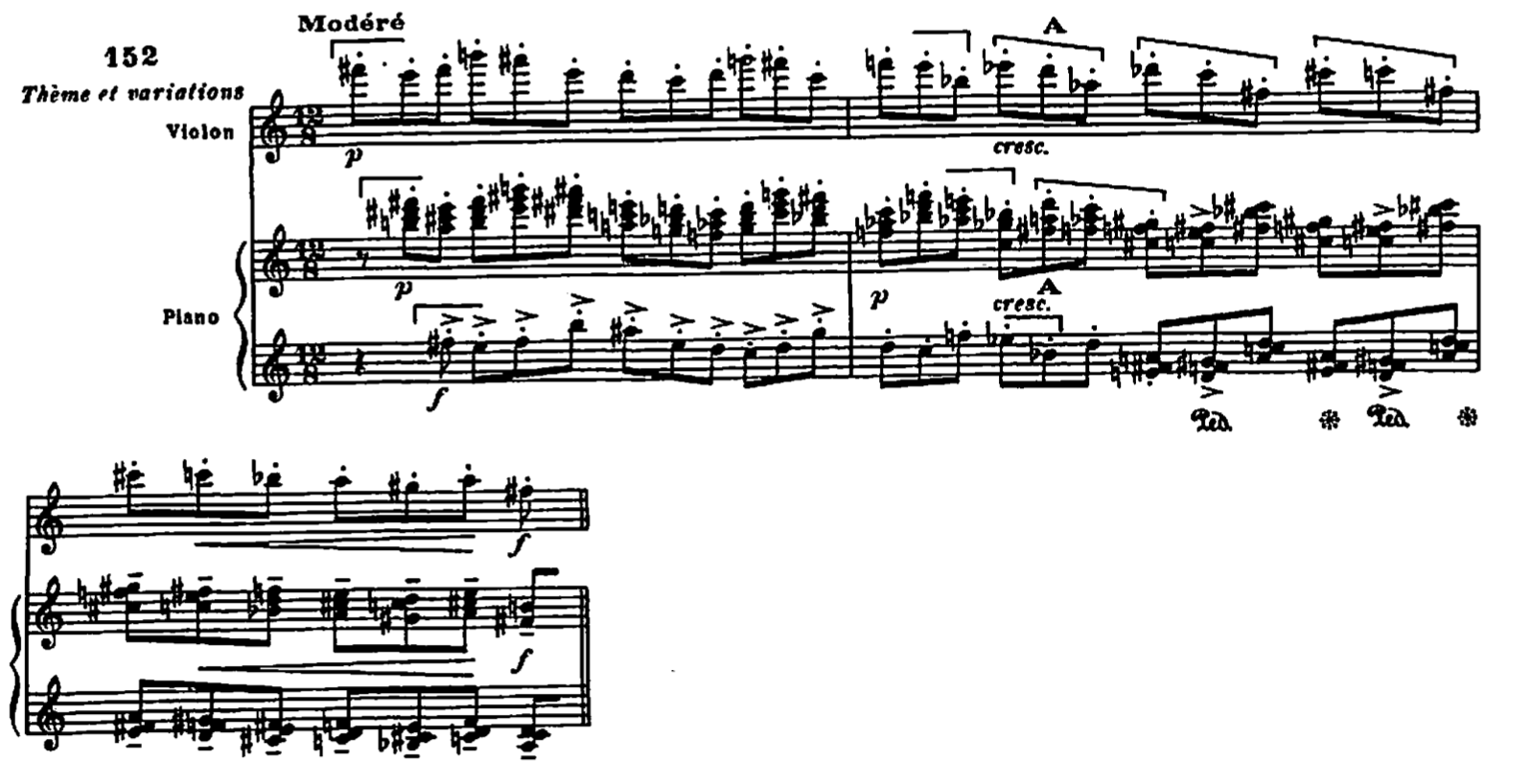



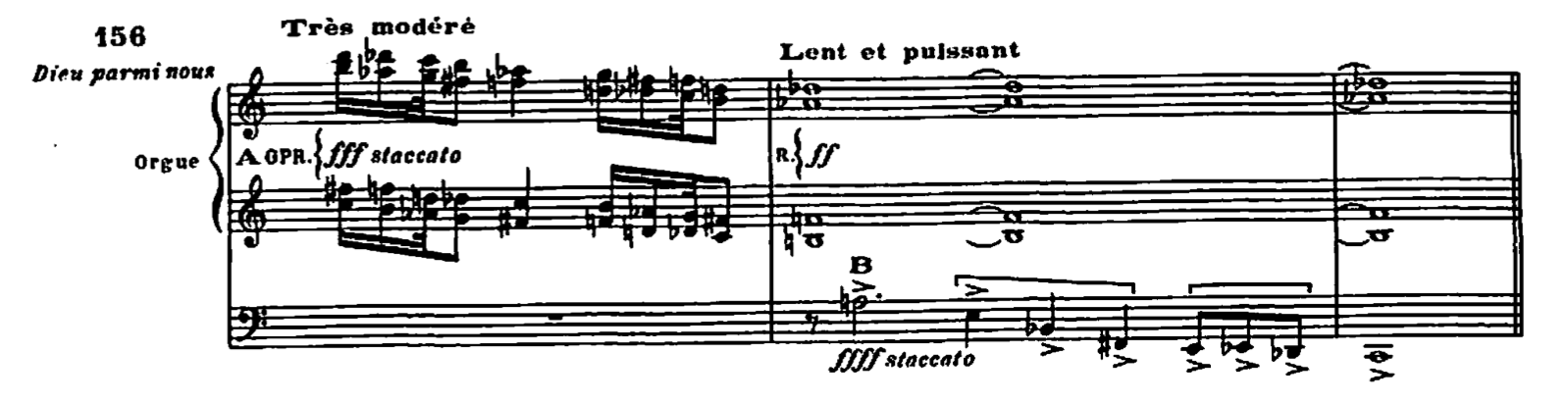
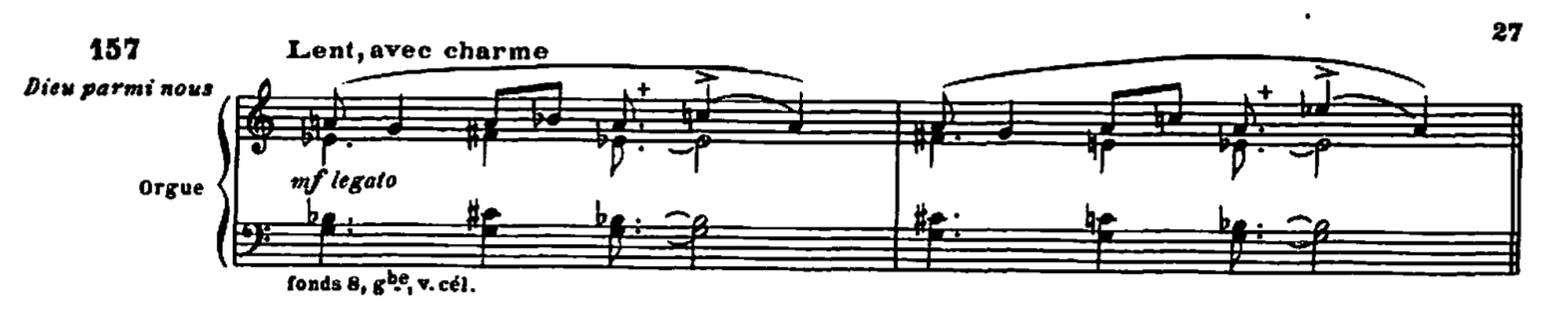










Overview
This expansive chapter concludes the melodic section by addressing large-scale formal organization, demonstrating how Messiaen adapts traditional forms (fugue, sonata-allegro) and plainchant structures (anthems, alleluias, psalmodics, Kyrie, sequence) to his compositional system. By passing rapidly over well-known forms (fugue and sonata) to focus on "less usual forms," Messiaen reveals his interest in plainchant liturgical structures as primary formal models, reflecting his Catholic faith and organist background. The chapter presents five distinct formal approaches: traditional development-based forms derived from sonata (standard sonata-allegro, development of three themes preparing a final, variations of first theme separated by second-theme developments), and plainchant-derived forms (various anthem, alleluia, psalmody, Kyrie, and sequence structures). Through detailed analyses of movements from his own works (La Nativité du Seigneur, Les Corps glorieux, Quatuor pour la fin du Temps), Messiaen demonstrates that his modal-rhythmic innovations function within recognizable formal frameworks while transforming them through characteristic techniques. This chapter bridges from melodic construction (Chapters VIII–XI) to harmonic language (Chapters XIII–XIX), showing that complete movements organize melodic materials (developed through elimination, interversion, registral change) within sentence structures (song-sentence, binary, ternary) to create large-scale forms serving both structural coherence and expressive/spiritual purposes.