Chapter IX: Bird Song
Original: Page 34 in Satterfield translation
Musical Examples:
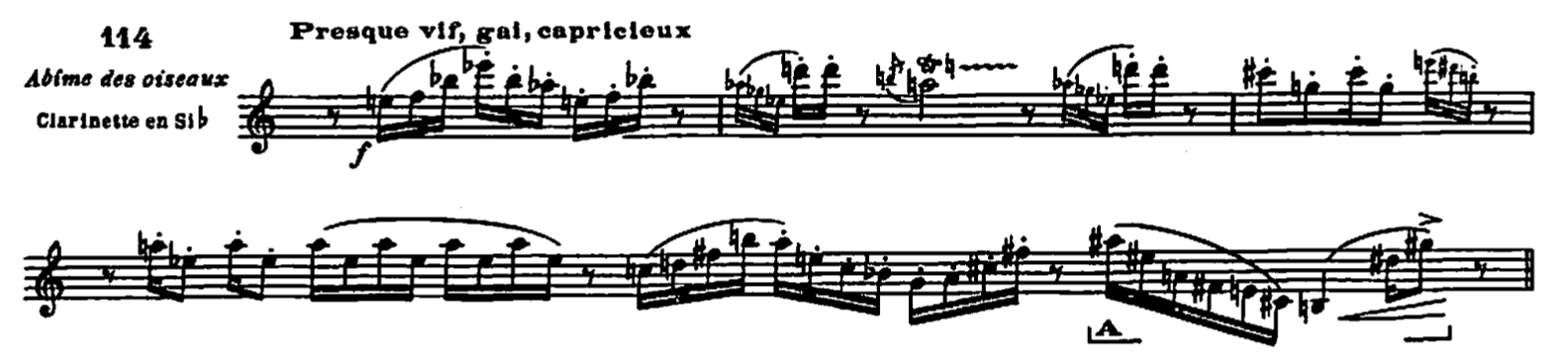
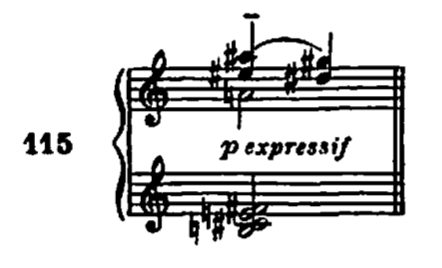


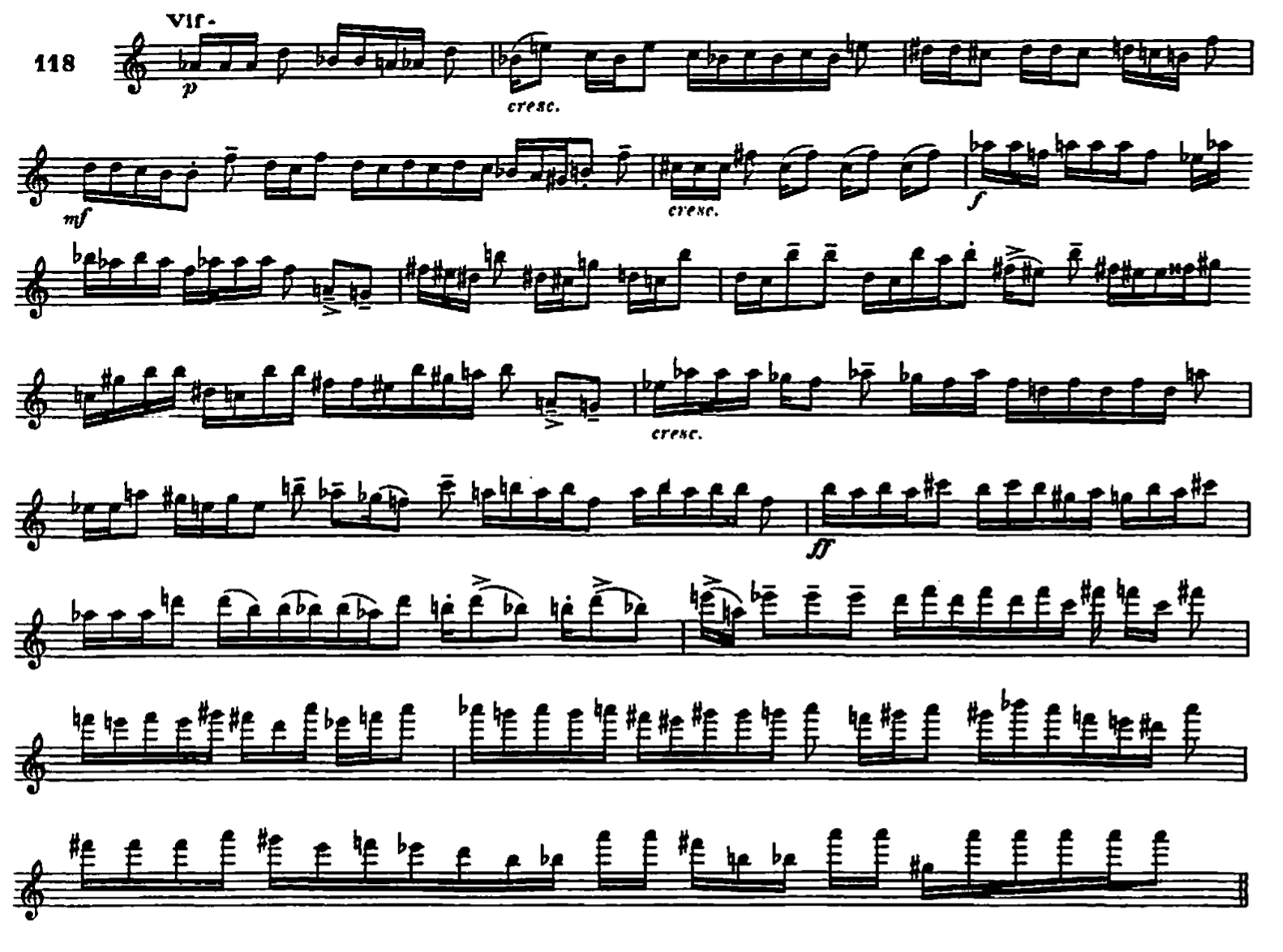
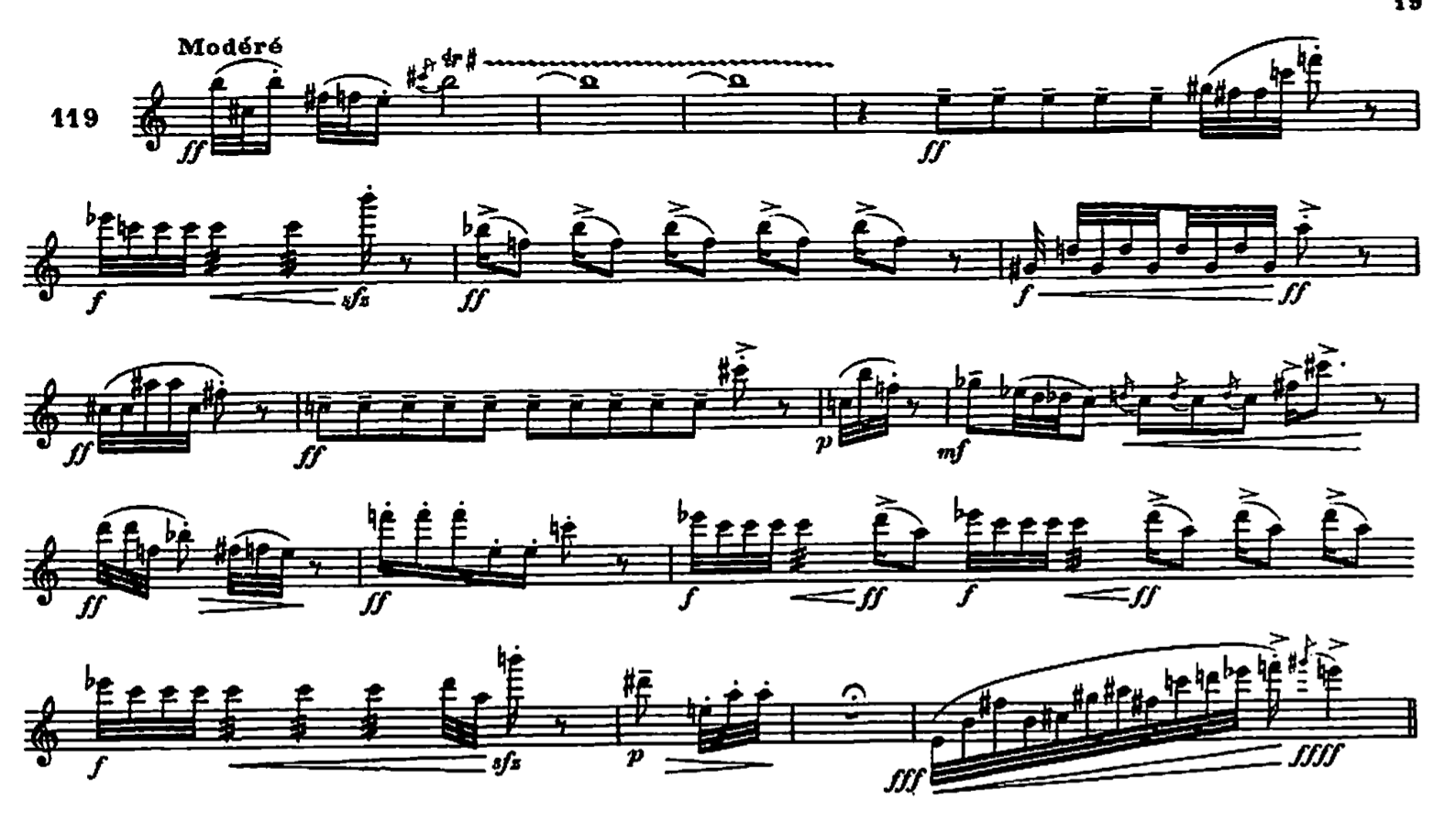
Overview
This brief but seminal chapter introduces one of Messiaen's most distinctive and enduring sources: bird song. Beginning with Paul Dukas's pedagogical counsel—"Listen to the birds. They are great masters"—Messiaen acknowledges the incomparable nature of avian music while justifying his transcription and transformation of bird vocalizations into composed material. The chapter articulates both aesthetic admiration (birds as masters of refined rhythmic pedals, fantasy-surpassing melodic contours) and pragmatic methodology (transcription, transformation, interpretation). Messiaen's engagement with bird song represents a unique position in twentieth-century music: neither programmatic imitation nor abstract appropriation, but rather a systematic incorporation of natural sound patterns as primary melodic resources. This chapter plants seeds that will dominate his later compositional career—from the 1950s onward, bird song becomes increasingly central, culminating in massive ornithological works like Catalogue d'oiseaux (1956–58) and Des canyons aux étoiles... (1971–74). In 1944, however, bird song appears as one melodic source among many (folk song, plainchant, ragas), not yet the consuming preoccupation of his mature period.