Chapter VI: Polyrhythm and Rhythmic Pedals
Original: Pages 22–27 in Satterfield translation
Musical Examples:
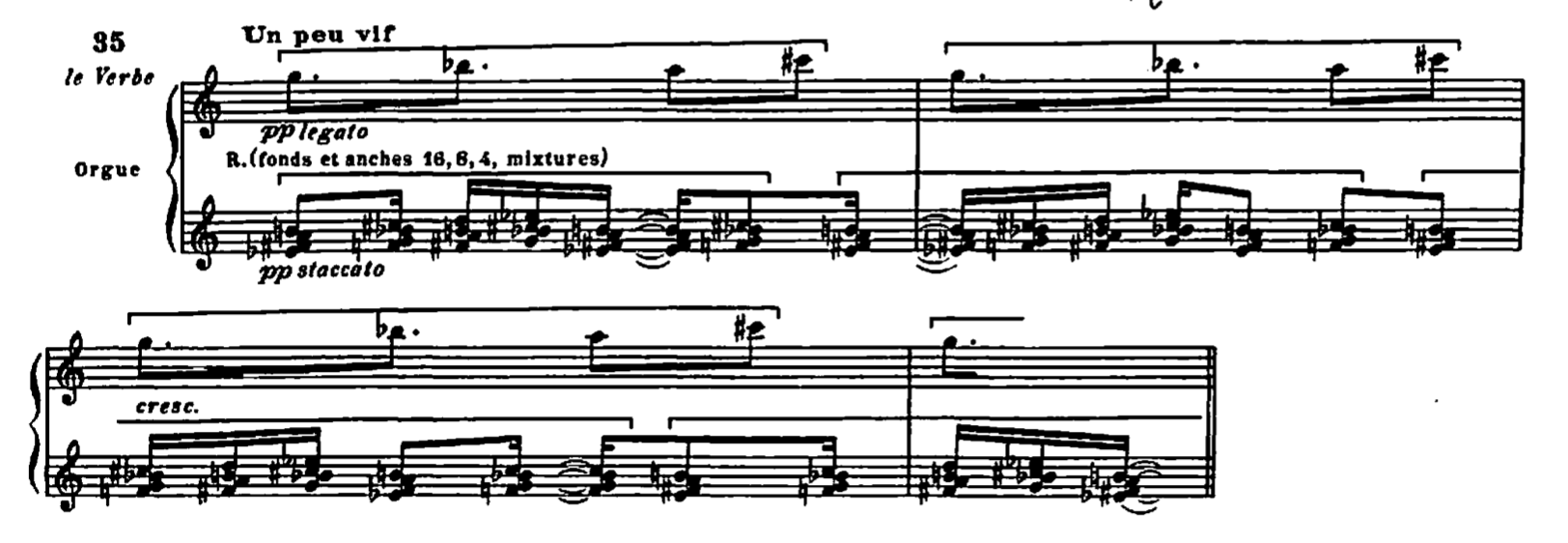
- Example 35
- Example 36
- Example 37
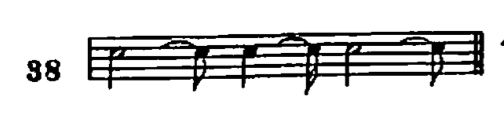
- Example 38
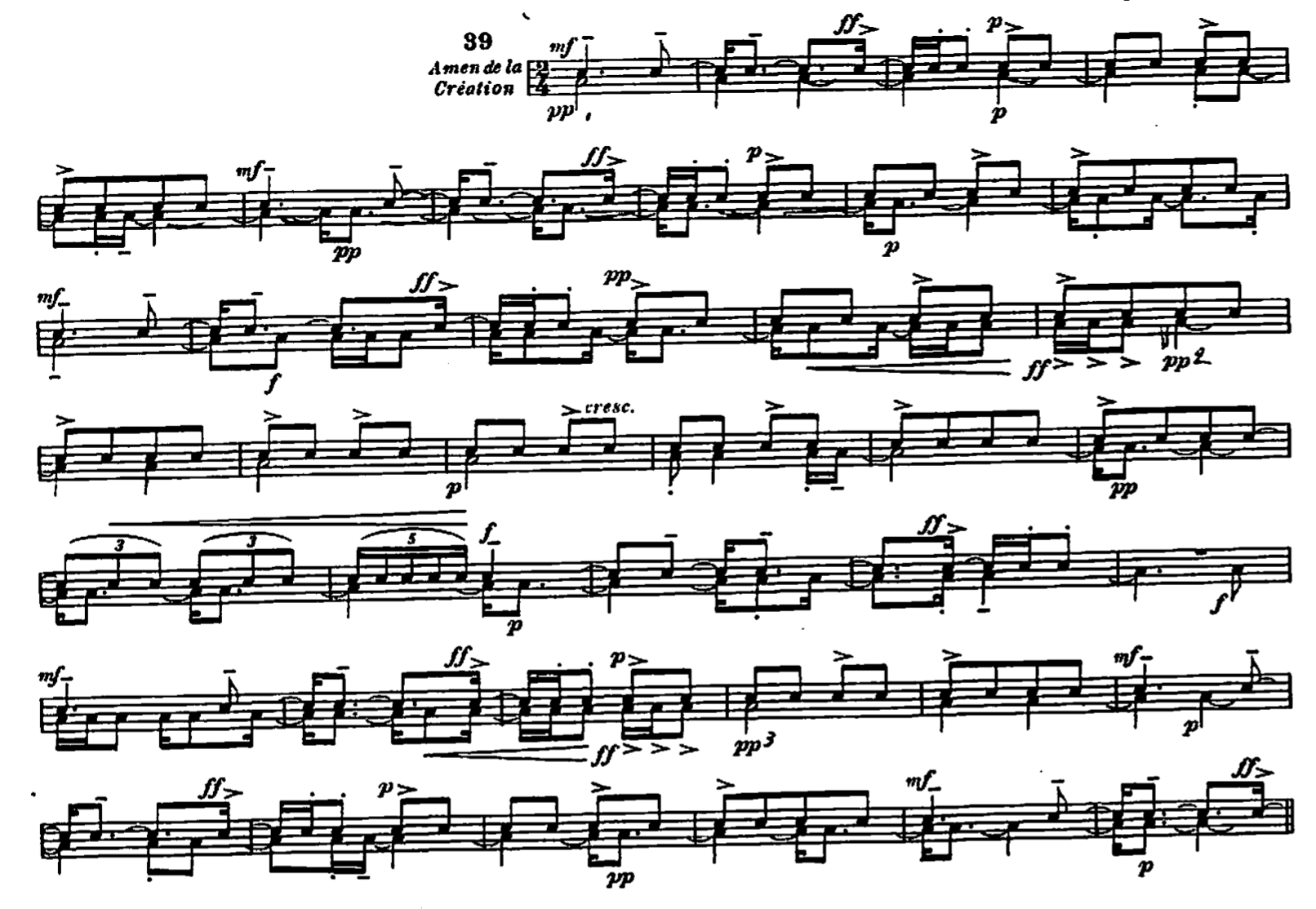
- Example 39
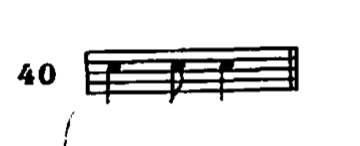
- Example 40
- Example 41
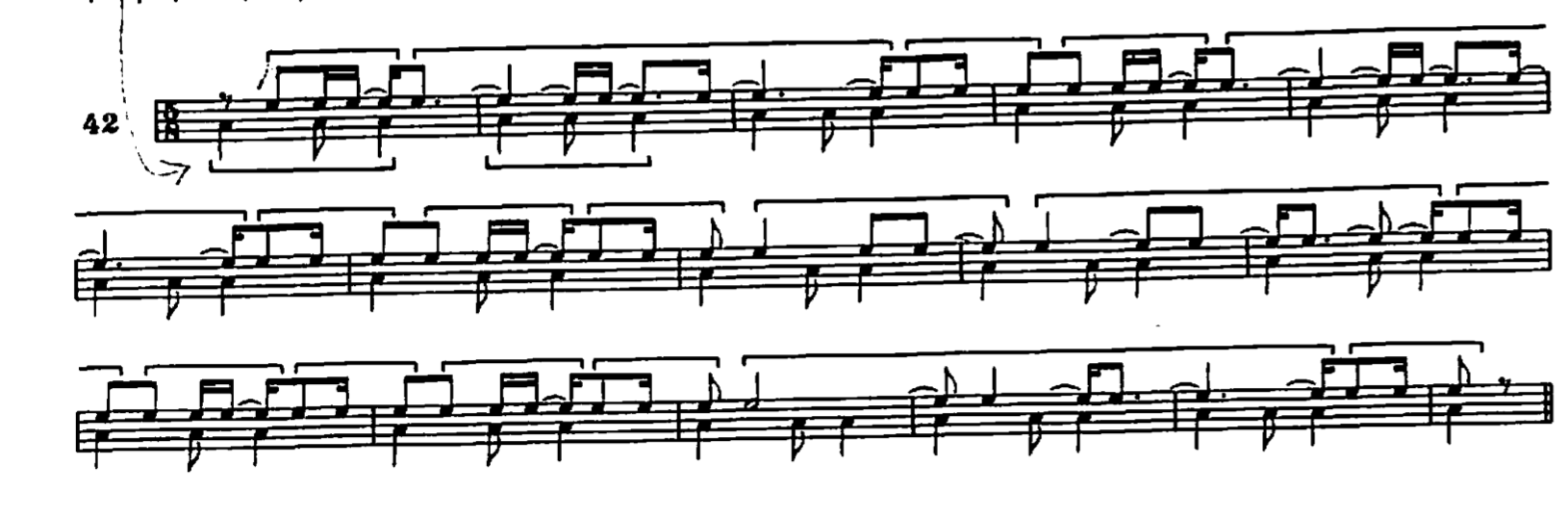
- Example 42
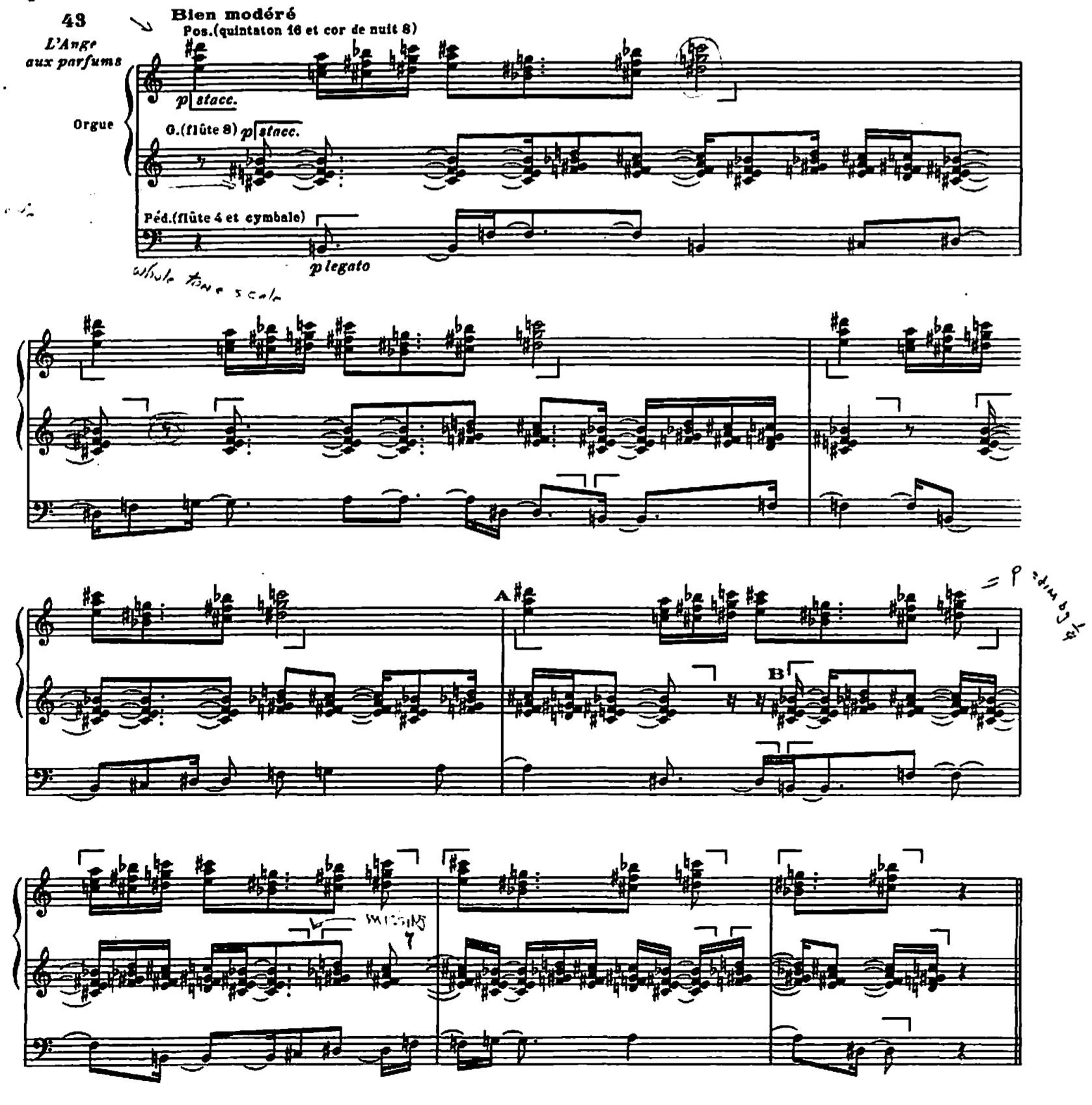
- Example 43
- Example 44
- Example 45
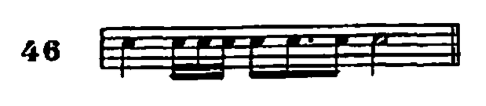
- Example 46
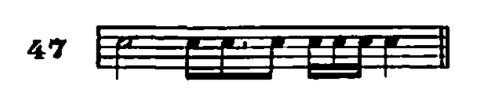
- Example 47
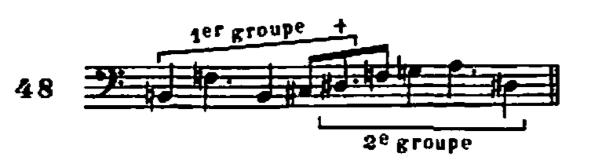
- Example 48
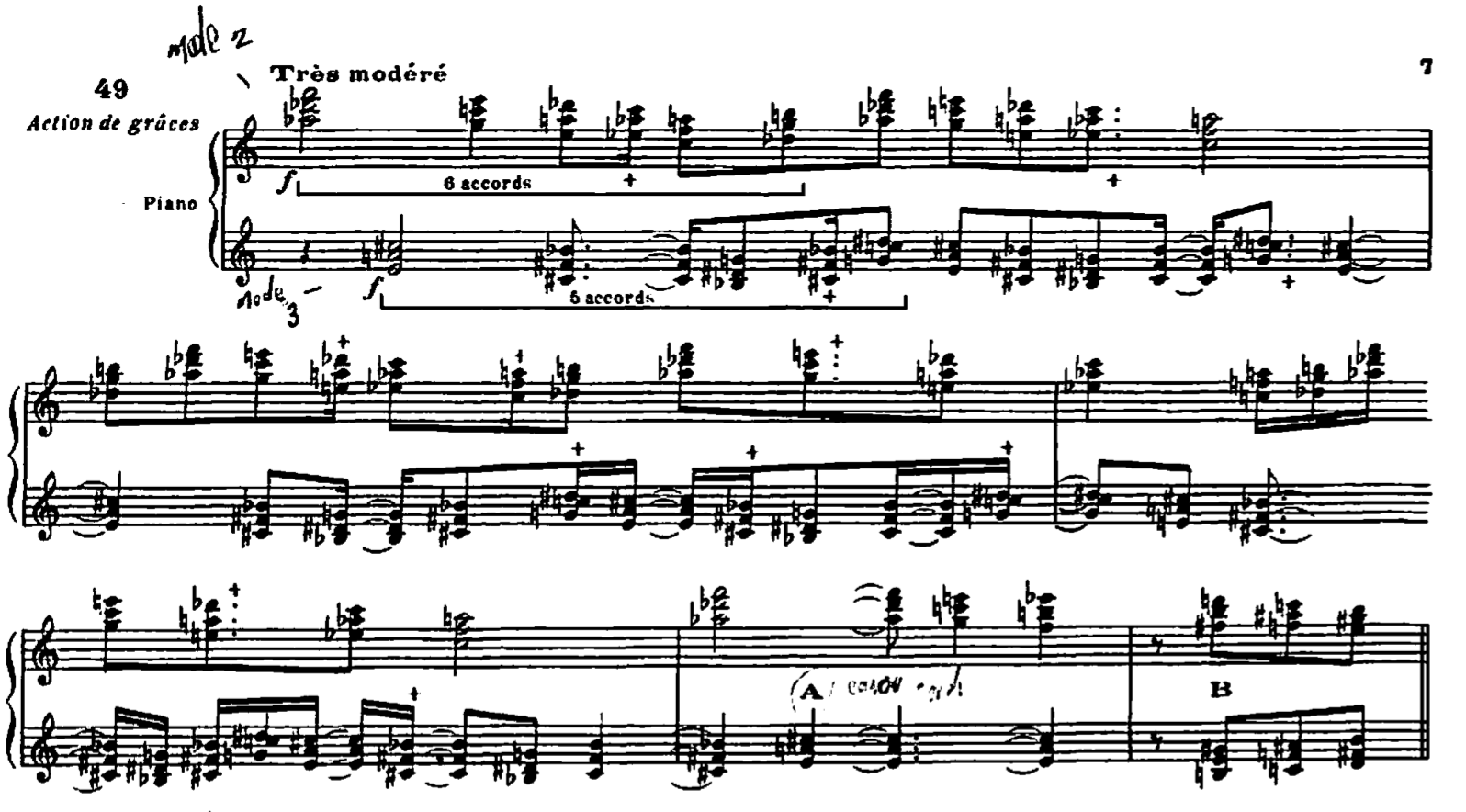
- Example 49
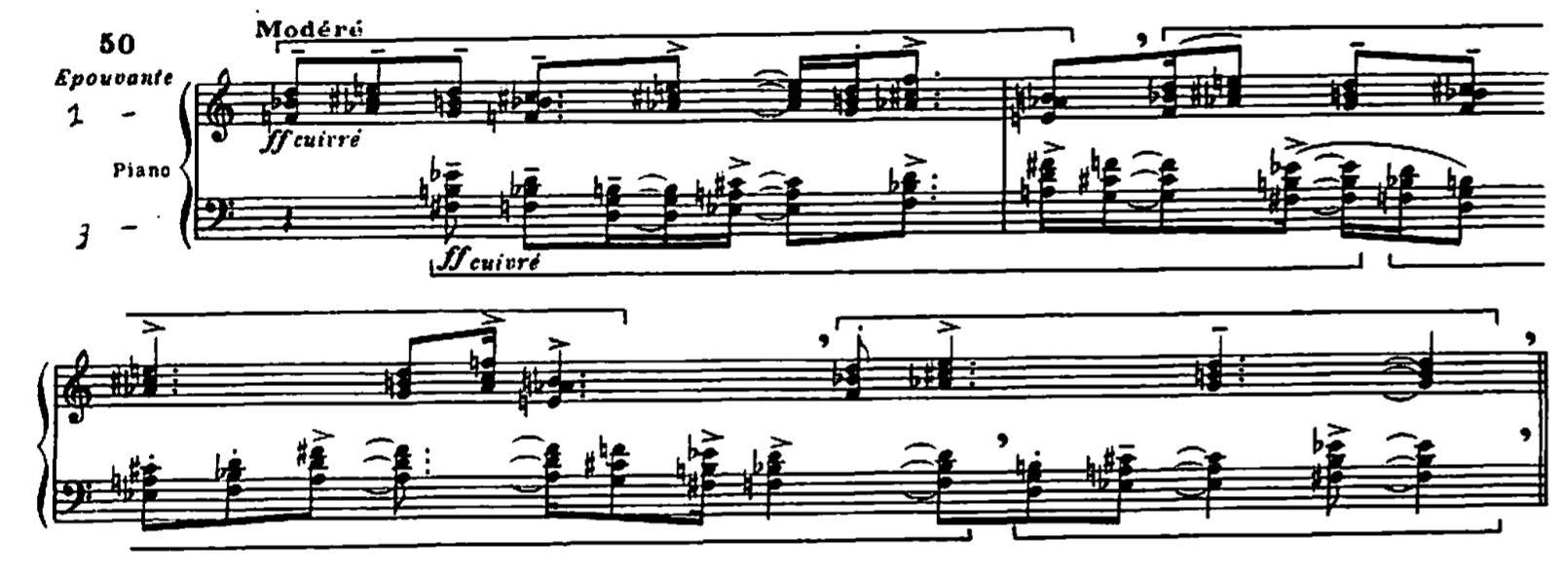
- Example 50
- Example 51
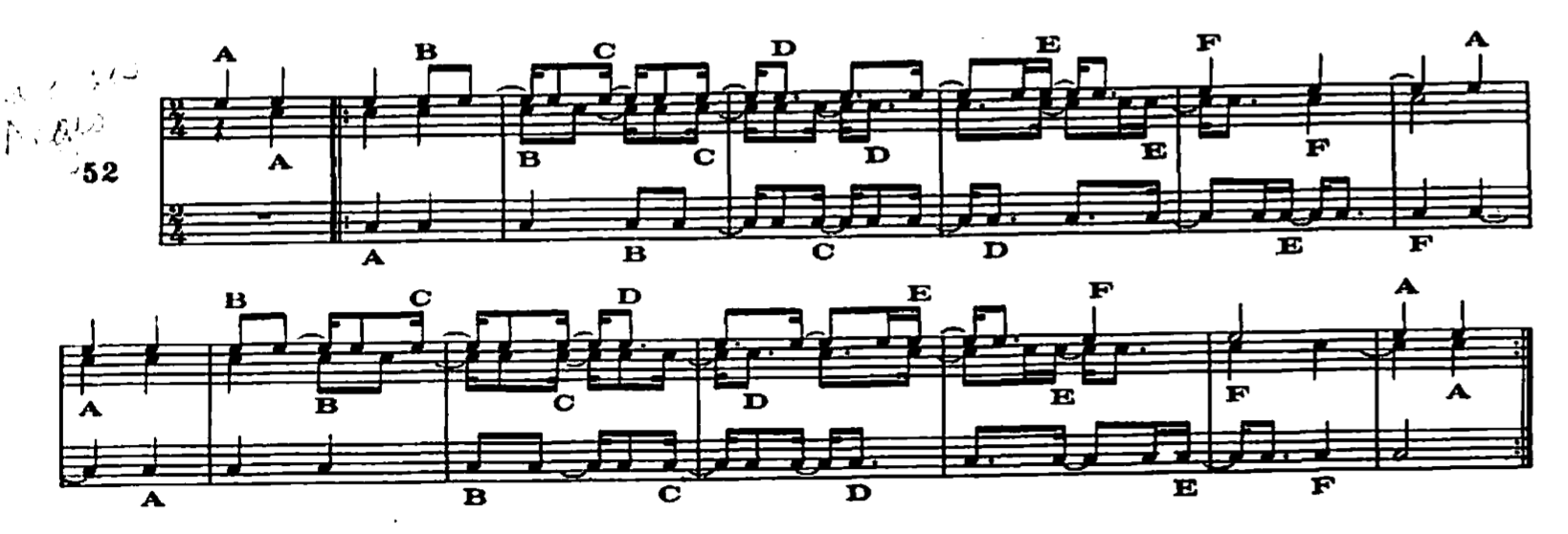
- Example 52
- Example 53
- Example 54
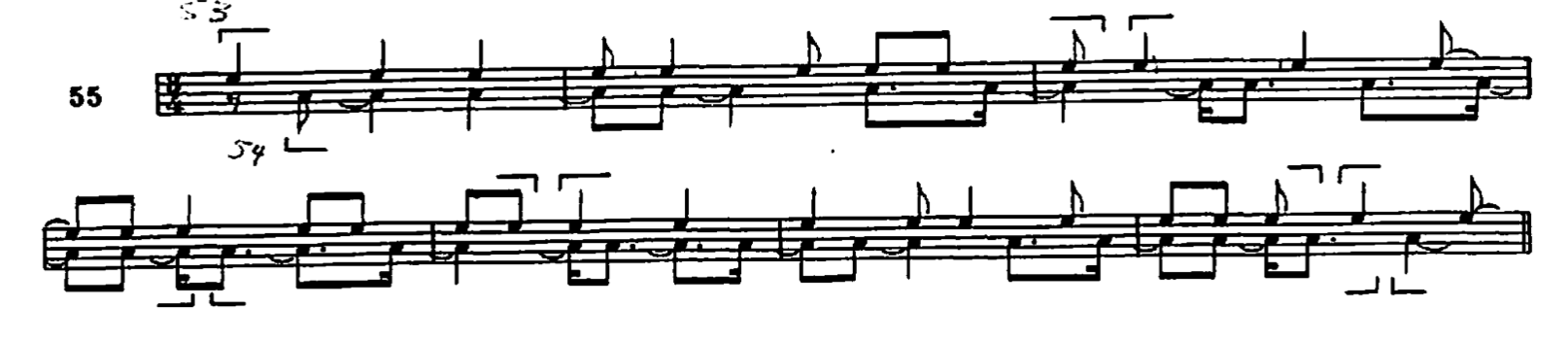
- Example 55
- Example 56
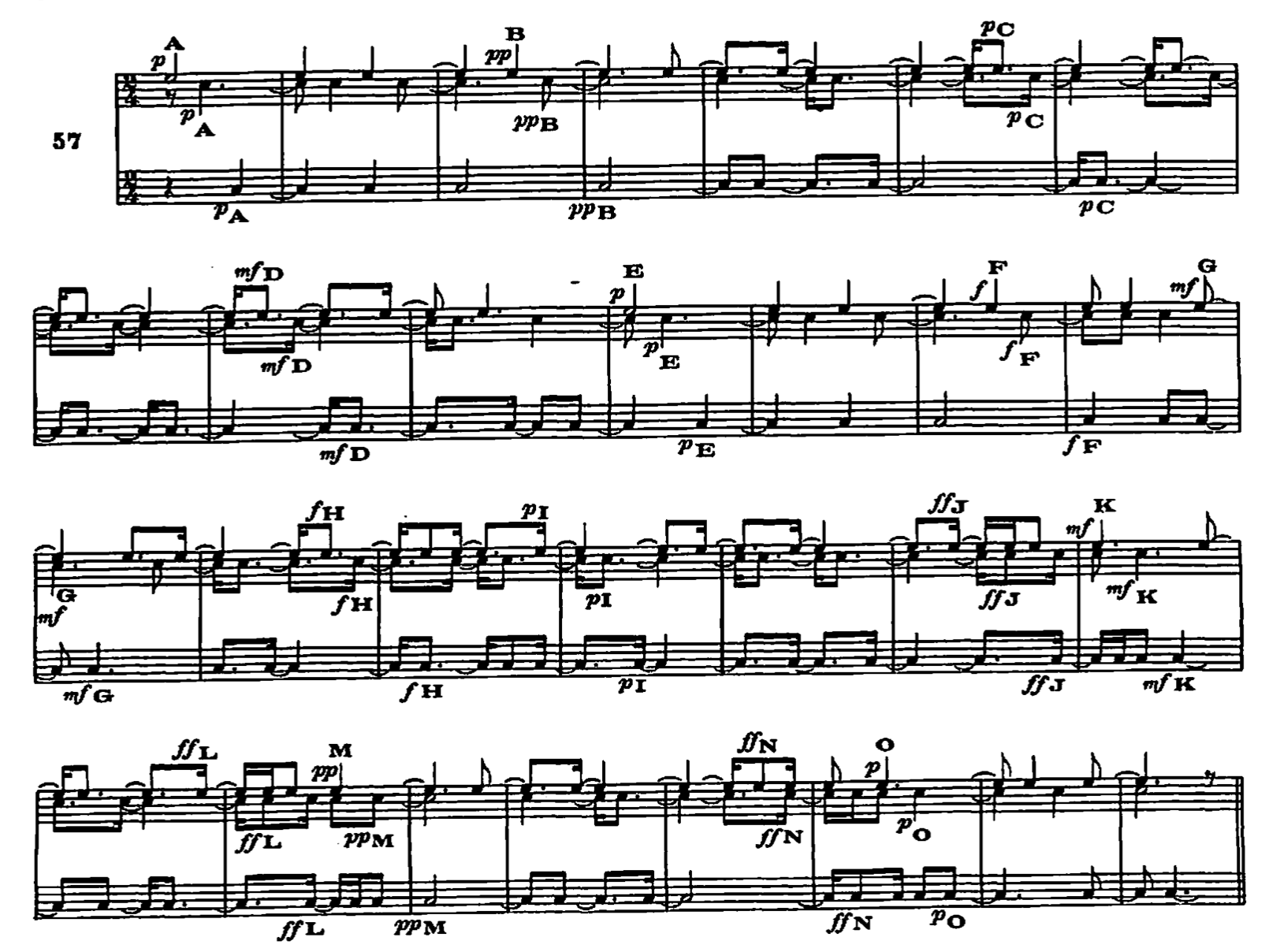
- Example 57
- Example 58
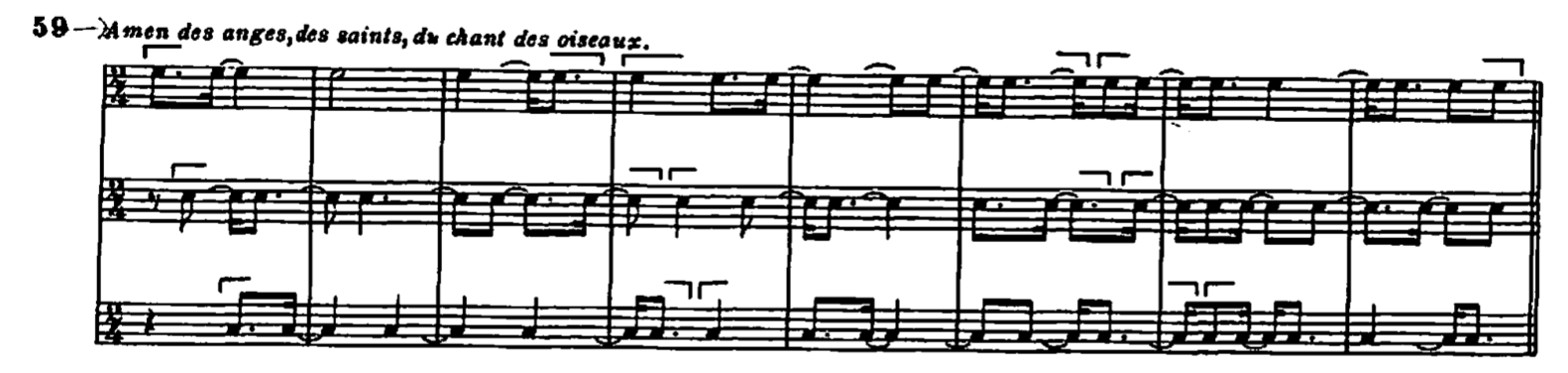
- Example 59
- Example 60
- Example 61
- Example 62













Overview
This chapter synthesizes the rhythmic techniques developed in Chapters II–V, demonstrating how they combine to create complex polyrhythmic textures. Messiaen systematically explores superposition—the simultaneous layering of multiple independent rhythmic streams—moving from simple two-layer polyrhythms through canonic constructions to the distinctive concept of rhythmic pedal. The chapter reveals how added values, augmentation/diminution, nonretrogradable structures, and rhythmic canons can operate simultaneously in different voices, creating temporal complexity that defies traditional metric organization. The rhythmic pedal concept—a pattern repeating ostinato-fashion while surrounding it with different rhythms—anticipates the parametric analogy with polymodality (Chapter XIX) and demonstrates Messiaen's thinking about independence and interaction between musical layers. An important metanotational issue emerges: Messiaen acknowledges that his complex polyrhythms often require "gathering into meter" for practical notation, even though this contradicts his ametric conception—a tension between compositional intent and notational convention addressed further in Chapter VII.